

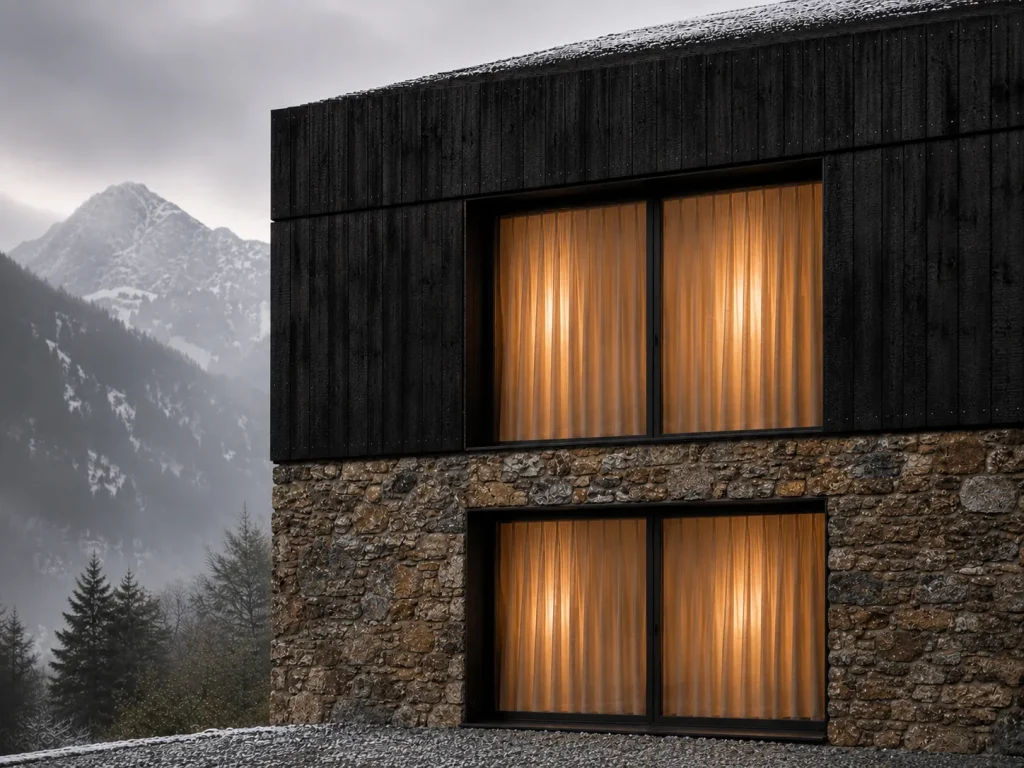
Sustainable architecture is about more than installing solar panels or choosing natural materials. It begins with the earliest decisions: what needs to be built, what can be preserved, which resources should be used and how a building will perform over time.
At Studio TAMY, we see sustainability as an integral part of architectural design. We pay particular attention to material quality and sourcing, skilled craftsmanship and the ability of buildings to adapt to changing needs.
In Andorra, this also means understanding the mountain climate, the surrounding landscape and the specific characteristics of each site.
Preserve before replacing
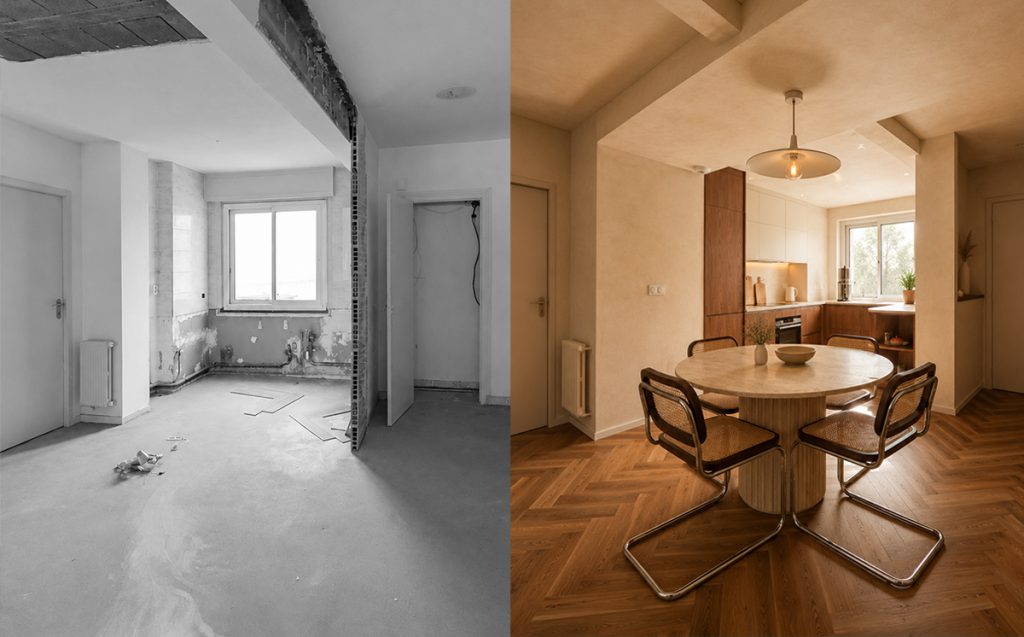
Before starting a renovation, one of the most useful questions is: what is worth keeping?
An existing wall, floor, structure or piece of joinery may still have considerable value. Sometimes a better layout can transform a space without replacing every element.
Retaining components that remain in good condition can reduce the need for new materials and limit construction waste. It can also preserve the character and history of a building.
This does not mean keeping everything at any cost. Existing elements need to be assessed for their condition, performance and suitability for new uses.
Carefully rethinking what already exists is an important part of our approach to renovation. It allows architectural decisions to respond to the building itself rather than simply following a predetermined design.
Choose materials that will stand the test of time
Timber, stone, mineral finishes and metal offer very different qualities. Yet no material is inherently sustainable in every situation.
A considered choice involves looking at where a material comes from, how it is manufactured, how it performs, how long it is likely to last and what maintenance it will require.
A natural material is not necessarily the best option for every application. Equally, a manufactured product may be appropriate if it is durable, repairable and well suited to its intended use.
It is also important to consider how materials age.
Some develop an attractive patina. Others need regular treatment or may be more vulnerable to everyday wear.
Understanding these characteristics helps us make choices that respond to the practical needs and expectations of the people using the space.
A material’s quality is not only about how it looks when a project is completed, but also about how it performs over the years.
Local sourcing and skilled craftsmanship
Where materials come from matters, but locally sourced products are not automatically more environmentally responsible.
Their overall impact also depends on manufacturing processes, transport, durability and opportunities for repair or reuse.
Proximity can nevertheless offer important advantages, especially when it improves communication and makes it easier to understand the supply chain.
We also believe that skilled craftspeople play an essential role in creating lasting architecture.
Joiners, metalworkers, stonemasons, builders and specialist trades bring practical knowledge that helps turn an architectural idea into a carefully resolved construction detail.
Working with qualified local professionals, where appropriate, can support closer collaboration during construction, better detailing and easier maintenance in the future.
At Studio TAMY, we value this connection between design and making. Careful drawings matter, but the quality of a building also depends on the people who bring them to life.

Design for Andorra’s mountain climate
A building’s environmental performance is also shaped by its position on the site, orientation and building envelope.
In Andorra, the mountain climate makes heat loss, insulation, thermal bridges, airtightness and ventilation particularly important.
Sun exposure, shadows cast by the surrounding mountains, window placement and solar shading also influence indoor comfort.
These issues need to be considered together. Effective insulation requires appropriate ventilation. Large windows may bring beautiful natural light into a space, but their thermal performance must also be carefully addressed.
Before introducing complex building systems, architectural design should aim to reduce energy demand.
This approach is relevant from the earliest stages of a new-build project, when the site’s orientation, topography and relationship with the landscape can influence fundamental design decisions.
Design for maintenance and future change
A sustainable building should also be able to evolve.
Families change over time. Retail spaces adapt to new activities. Hotels and restaurants may need to reorganise their layouts and operations.
Where possible, architecture should accommodate these changes without requiring extensive rebuilding.
Flexible layouts, accessible building services, repairable components and straightforward maintenance can all help extend a building’s useful life.
Architectural quality matters too. A well-proportioned, comfortable space that does not rely entirely on passing design trends is more likely to remain relevant.
We aim to create distinctive spaces whose light, materials and detailing retain their value over time.

Sustainability is a matter of coherent decisions
Sustainable architecture does not have a single visual identity.
It is not defined by the amount of timber used, the presence of greenery or a particular rustic aesthetic.
Instead, it emerges from a series of thoughtful decisions: preserving what makes sense, selecting appropriate materials, considering their origins and durability, valuing skilled trades, reducing energy demand and planning for future maintenance.
At Studio TAMY, we aim to integrate these principles from the beginning of the design process, treating environmental responsibility and architectural quality as complementary goals.
Building sustainably is not simply about choosing different materials. It is about reconsidering how we build, what we preserve and why we transform the places around us.
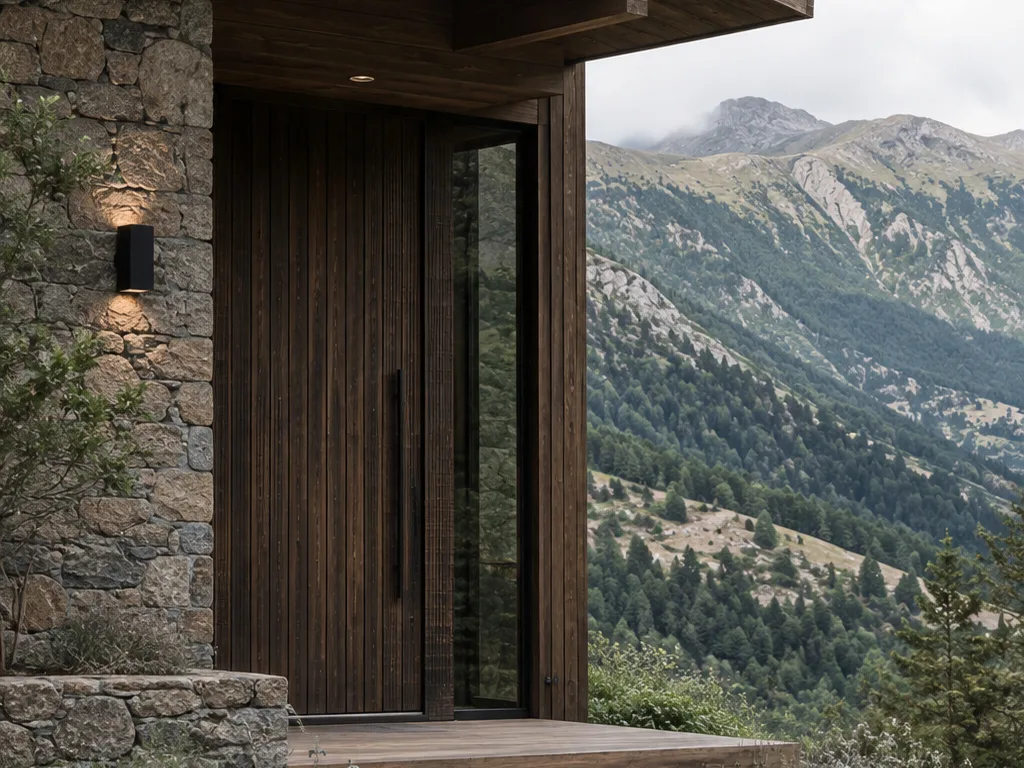
Building or renovating thoughtfully in Andorra
Every site, existing building and project brief presents different opportunities and constraints. Our role is to understand them and develop an architectural response suited to the place, its users and the available resources.
Planning a construction or renovation project in Andorra? Discover Studio TAMY’s approach and get in touch to discuss your plans.